F1 has announced it will return to Africa with a race in Rwanda. The Formula 1 African Grand Prix will join the calendar in the 2030s as part of a ten-year deal.
Formula 1 will stage a long-anticipated return to the African continent in the 2030s. The African Grand Prix will mark the first F1 race on the continent in almost 40 years, with the last South African Grand Prix having taken place at Kyalami in 1993.
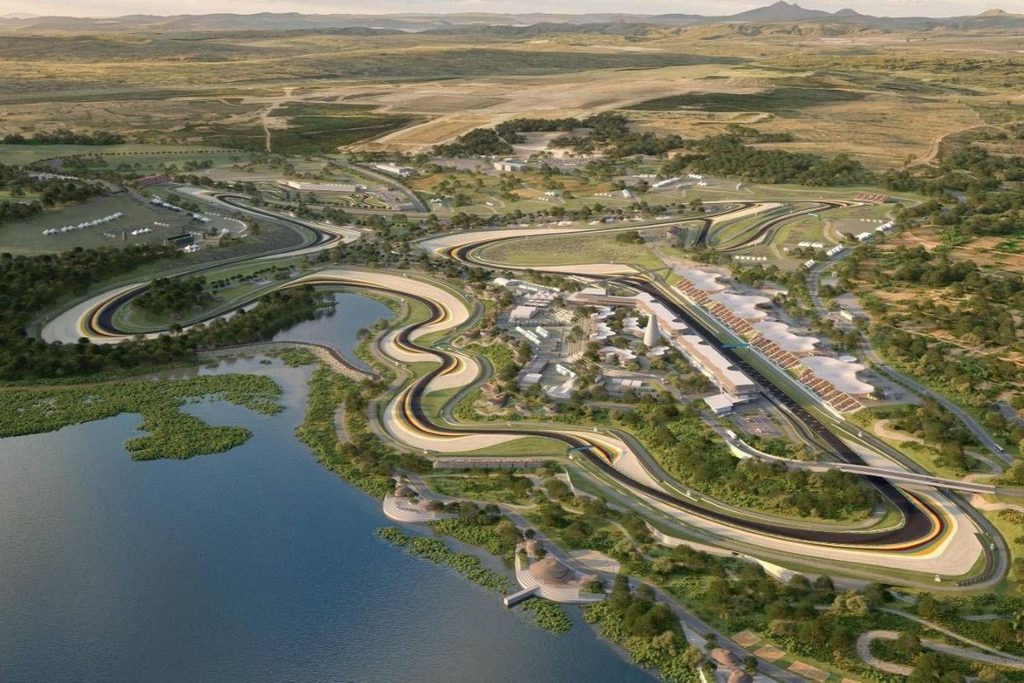
This time, F1 has a 10-year agreement in place to race in Rwanda. Though an exact timeframe has not been announced, the African Grand Prix will join the calendar “in the early 2030s”. The race will take place at a brand new purpose-built circuit in Bugesera.
F1’s Newest Track
The new track has not yet broken ground but is expected to be open for business early next decade. It will be part of “a wider sports, tourism, infrastructure, and commercial development project”. The project will be led by the Rwanda Development Board, while the race itself will be presented by Visit Rwanda.
Designed by former F1 driver Alex Wurz, the Grade 1 circuit will be located 40km south of Rwanda’s capital, Kigali. Adjacent to the new Kigali International Airport, which is expected to open in 2028, it is hoped that the track will host other international motorsport series year-round.
The building process will be overseen by three companies: Tilke, DAR and WurzDesign. The track is set to “work in harmony with the natural landscape”, with a circuit design which will utilise the area’s natural elevation changes to create a unique challenge on the F1 calendar. The elevation should also provide fans trackside with exceptional views of the action.
Rwanda Sees Off Bids From Kyalami, Cape Town & Morocco
Rumours of F1’s return to Africa have swirled for years. Bringing the sport back to the continent has been a major objective, with F1 estimating that there are more than 100 million fans across Africa. Formula 1 first raced on the continent in 1958, when the one-off Moroccan Grand Prix was held.
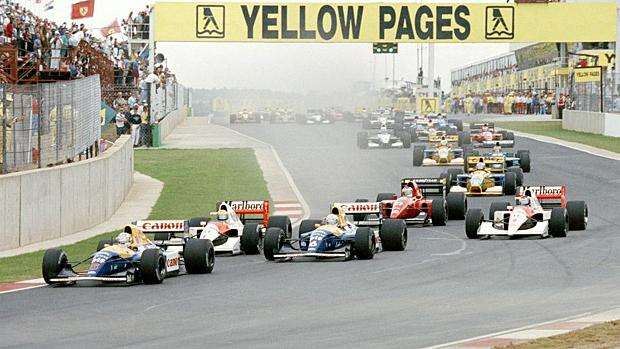
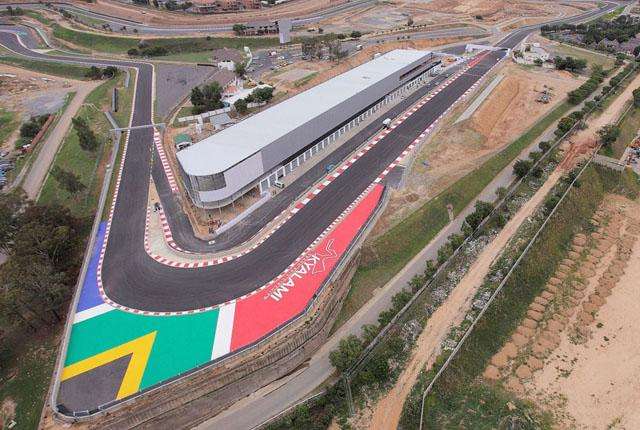
It then raced in South Africa as part of the World Championship in almost every season from 1962 to 1985, before being discontinued until the end of apartheid. The event returned for only two seasons, at a shortened version of the Kyalami track, in 1992 and 1993.
Last year, Formula 1 CEO Stefano Domenicali said there was no short term solution for the sport’s eventual return to Africa expected, despite revealing that there were multiple African countries with serious interest in hosting a Grand Prix.
Kyalami’s bid for an F1 comeback has been well documented over the last decade and in 2022 it was reportedly lined up to replace the Belgian Grand Prix on the following year’s schedule before the deal fell through and Spa-Francorchamps was instead awarded a contract extension.
Cape Town and Morocco were also understood to be places of interest for Formula 1 – but it is the Rwanda project which has succeeded, with Domenicali naming the country as “the right partner”. Speaking about the new African Grand Prix, he said:
“Today is a landmark moment for Formula 1. With Rwanda joining the calendar from the next decade, our sport will race in every inhabited continent, bringing the World Championship closer than ever to fans around the globe. Africa has always been part of Formula 1’s future, and from the beginning we were determined to return in the right way, with the right partner, a long-term commitment and a clear vision for creating meaningful impact.
For our fans, this is an especially exciting moment. Africa is home to more than 100 million Formula 1 fans, and that number continues to grow rapidly. We are bringing the excitement, energy and drama of Formula 1 closer to millions of people who have waited a long time to see our sport return to the continent, and we look forward to writing an exciting new chapter together.”
No date for the future African Grand Prix has been announced, though it appears likely that it will slot into the latter stages of the year. Rwanda sits just south of the equator but at a relatively high altitude – which means it has a lower average temperature than other equatorial countries. The average daily temperature is around 21°C. It also has two notable rainy seasons, from March to May and from October to November, which will likely have some implication on the scheduling of the Grand Prix.